Giving is definitely a family affair for the Armstrongs: “I think the best thing you can do to teach your children philanthropy is lead by example,” says Amy Armstrong. And one of the organizations that has benefited from Amy and Patrick’s example is Feeding Matters.
According to RAINN (Rape, Abuse & Incest National Network), an American is sexually assaulted every 98 seconds. And every eight minutes, that victim is a child. Meanwhile, only six out of every 1,000 perpetrators will end up in prison. To shine a light on the scope of this problem, April is designated as Sexual Assault Awareness and Prevention Month. Here are some other statistics to consider:
Ages 12–34 are the highest risk years for rape and sexual assault.
82% of all juvenile victims are female. 90% of adult rape victims are female.
94% of women who are raped experience PTSD symptoms during the two weeks following the rape.
Below are just a few of the many organizations working to put a stop to sexual violence and to get victims the help they need:
RAINN is the nation’s largest anti-sexual violence organization. RAINN created and operates the National Sexual Assault Hotline (800.656.HOPE, online.rainn.org) in partnership with more than 1,000 local sexual assault service providers across the country, and operates the DoD Safe Helpline for the Department of Defense. RAINN also carries out programs to prevent sexual violence, help victims, and ensure that perpetrators are brought to justice.
“As a child I’d spent nine years in an atmosphere of physical, mental, and sexual abuse. As an adult, recreated that chaos and chose partners who affirmed my own self-loathing. I fell deep into addictions and constantly let my guard down while drunk or “relaxed” on Rx meds.
“Over the years, beginning from the end of my marriage in my late 20s and ending the last time when I was 39, I was raped four times— that I can remember. I believe there were other times, but I have no proof because I was passed out.
“At age 39, I was raped by a longtime “friend” at a party. When I recovered the next day, I knew I had to get help. I went to my first AA meeting the next day. After I became clean and sober, I looked for help. I found RAINN and they put me in touch with a free service in my town. My counselor is a beautiful person and she helped me find my way out of the worst darkness. It is my life’s goal to continue my volunteer work helping women and children in DV shelters and to pay RAINN back as a RAINNmaker for the rest of my life. I have forgiven every one of my abusers after many years of deep soul work. I am not the same person I used to be. I love my life and am grateful for every day. If not for RAINN’s 800 number that was so easy to remember all those years ago, and their compassion and just being there, I don’t think I’d be alive today.”
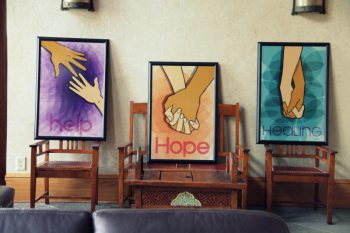
The Orange County Rape Crisis Center’s mission is to stop sexual violence and its impact through support, education, and advocacy. It envisions a just and equitable world free of sexual violence and all other forms of oppression.
“When most people think of a Rape Crisis Center their mind often goes to a sad and desolate place. Orange County Rape Crisis Center is anything but this. It is a place for help, hope, and healing with emphasis on the healing. They provide free and confidential services to people around our community who need it most, and they also have one of the oldest preventative education programs in the entire state! My time as a community educator for Start Strong allowed me to grow as a person and an advocate. It gave me a space to learn and to ask questions, and most importantly it made me feel like I was making a difference in my community.”
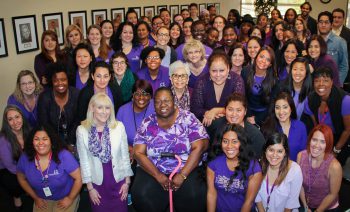
The Houston Area Women’s Center helps individuals affected by domestic and sexual violence in their efforts to move their lives forward. It provides shelter, counseling, and advocacy to support them in building lives free from the effects of violence, and seeks social change to end domestic and sexual violence through community awareness and education.
“Called HAWC and even though we had never dealt with them before, they sent someone to the hospital to advocate for my friend after a violent sexual assault. The woman they sent was a rape survivor, and made sure all procedures were followed correctly, gave emotional support, and even brought a clean set of sweat pants and a clean T-shirt, so my friend would have clothing to wear home.
What was truly awesome about our experience was the free of charge sexual assault counseling we were both able to participate in at the Women’s Center. It was basically group therapy, run by a counselor and the survivors themselves, meeting once a week and encouraging each other. Wonderful resource. This was back when Ellen Cohen was the CEO there, and we are excited to see her go on to be involved in local politics. We love you, Ellen!”
To learn more about these organizations and many others working to both end sexual violence and provide comfort to survivors of it, check out GreatNonprofits.
Watch mother and daughter Kate and Phoebe Wells discuss their involvement with Social Venture Partners Arizona, a relationship that led them to ResilientMe, a nonprofit that helps kids aging out of the foster care system.
April 2, as it has done every year since its adoption by the United Nations 10 years ago, commemorated World Autism Awareness Day. And the stakes for raising public awareness have never been higher. According to the Autism Society:
About 1 percent of the world population has autism spectrum disorder.
More than 3.5 million Americans live with an autism spectrum disorder.
Prevalence in the United States is estimated at 1 in 68 births.
Prevalence of autism in U.S. children increased by 119.4 percent from 2000 (1 in 150) to 2010 (1 in 68).
Below are just a few of the nonprofits striving to assist those affected by autism:
Warriors for Autism enlightens, enriches, and empowers the lives of families on the autism spectrum through its efforts to provide inclusive programs and services to the community. These include an inclusive summer camp program on a horse farm for children with ASD and their siblings ages 6–16; mini-camps during off-school breaks; sensory/allergy-friendly holiday events for families throughout the year; and an adaptive martial arts program for children aged 5+ to work on balance, speed/agility, hand/eye coordination, and basic martial arts
“My 11-year-old son attended for the first time this year. We just moved in the area and was concerned about so much transition. However, he found comfort and excitement going to this camp every day. His verbal skills are limited and was asking to go back! He has never done that before. Deena and staff are incredible with the children. It was like dropping them off with a family member that understands and loves your child. He can’t wait to go back next summer.”
Created in December 2001, the Organization for Autism Research is the product of the shared vision and unique life experiences of its seven founders. Led by these parents and grandparents of children and adults on the autism spectrum, OAR sets out to use applied science to answer questions that parents, families, individuals with autism, teachers, and caregivers confront daily.
“OAR is a phenomenal organization, one that focuses on autism research that will prove useful to individuals on the spectrum and their families in the real world. Thanks to OAR’s generosity, I am currently conducting a study on outcomes for young adults with autism spectrum disorder (ASD) that will provide insights into what is happening in the community ‘once the big yellow bus stops coming.’ Beyond funding research that makes a difference, OAR reaches out to families and service providers, offering insightful materials that I, as a professor, have often shared with colleagues, students, and families. I especially recommend the ‘Life Journey Through Autism’ series!”
Talk About Curing Autism is dedicated to educating, empowering, and supporting families affected by autism. For families who have just received the autism diagnosis, TACA aims to speed up the cycle time from the autism diagnosis to effective treatments. TACA helps to strengthen the autism community by connecting families and the professionals who can help them, allowing them to share stories and information to help improve the quality of life for people with autism.
“When my son was diagnosed with autism in 2000 I was mired in grief when the answers for my son’s pain were elusive to the medical community. Then I heard about a small group of parents meeting nearby who were helping each other to find the answers for their children. That group was eventually called Talk About Curing Autism. The first thing I learned from this group was that hope is real and that our kids can get better. It was the salve of healing I needed to go find answers for him. A little over two years later my son was declared recovered from autism by his pediatrician.
“Today he is a junior in high school, on the high honor roll, plays in the band, and is on the cross country team. Oh, and we just signed him up for SAT and ACT tests because he is going to college! None of this would have been possible if not for TACA’s support. This is why I am still involved as a chapter coordinator and volunteer. The gift of a future for my son is something I will always be grateful for, and seeing other families achieve the same for their child is what it is all about.”
To learn more about these and other nonprofits working to improve the lives of those on the autism spectrum as well as their families, check out GreatNonprofits.
This past Tuesday marked the American Diabetes Association’s Alert Day, “a one-day wake-up call to inform the American public about the seriousness of diabetes, particularly when diabetes is left undiagnosed or untreated.” And it’s a sorely needed wake-up call:
Nearly 30 million people in the United States have diabetes
86 million Americans have prediabetes
4 million Americans are diagnosed with diabetes every year
Diabetes (more than 69,000 deaths) kills more Americans each year than AIDS and breast cancer combined
Many nonprofits are working to combat this disease and arm sufferers with the information and treatment they need. Here are a few of them:
The Diabetes Foundation of Mississippi is the state’s premier nonprofit health organization working to prevent diabetes and associated complications, as well as work to improve the lives of every child, every adult, and every family touched by type 1 or type 2 diabetes. It accomplishes this through education, support, advocacy, medical assistance, and research.
“I can’t say enough good things about the DFM. They have been there for us since day one of our son’s T1D diagnosis. My son felt so special upon receiving his initial care package. We were also relieved because it felt great knowing there was another team of people to help us when/if we needed it. They helped us get connected with other parents and T1 kiddos in our area and in our state via social media groups. We absolutely love Camp Kandu!! From school nurse trainings, seminars, fundraising events, and community outreach programs, the DFM does a great job advocating for all of the Mississippians with diabetes.”
The Diabetes Hands Foundation fosters an open and inclusive community of support for all those touched by diabetes, connecting them with tools and information to actively and confidently voice their needs and pursue healthier lives.
“TuDiabetes literally saved my life, my health. The information I got on day-to-day management of T1 diabetes that’s available here is priceless, and unique. Finding a place where I don’t have to explain diabetes, explain the emotional ups and down, explain how tiring it can be to manage, is a gift.
“I’ve had the privilege of watching people join the community who were in dire straits—and got the information and support they needed to gain control of their diabetes, rather than letting their diabetes control them. It’s a pleasure and privilege to volunteer for an organization that provides so much for so many.”
Founded in 1971 by a small group of parents of children with diabetes who were committed to finding a cure for this devastating disease, the Diabetes Research Institute Foundation has evolved into an international coalition of business leaders, celebrities, research scientists, clinicians, families, and other concerned individuals who have helped change both the scope and direction of diabetes research.
“I became acquainted with the Diabetes Research Institute Foundation 11 years ago, shortly after my diagnosis with type 1 diabetes. I soon became a passionate supporter of the organization, as I quickly saw its unwavering commitment to a cure for type 1. I’m very close to the diabetes community, and understand I am unspeakably lucky to be associated to the Diabetes Research Institute Foundation. The organization does outstanding work in its intelligent, passionate, dynamic, and compassionate approach to cure-focused efforts. After almost a dozen years of proximity to the DRIF, I can confidently say I’ll continue to unwaveringly support its efforts in any way I can—such is my trust in, positive experience with, and belief in the organization.”
To learn more about these and other nonprofits working tirelessly to support people in their battle with diabetes, check out GreatNonprofits.
Watch the Sisterhood of Philanthropists Impacting Needs’ Dafina Tucker discuss the Center for Work Education and Employment, an organization that helps women re-enter the workforce.
John Finegan knows that not everyone was born with the same advantages that he had, which is why it’s so important for him to give back. Watch him discuss why Social Venture Partners Sacramento is his favorite vehicle for doing so.
Charitable giving is more popular than ever. Donations reached $373.3 billion in 2015, according to a report from Giving USA, the highest total the group has recorded.
It’s increasingly easy to give to causes you support, even on a budget. Here are a few ways you can express your goodwill without breaking the bank.
Give Your Time
Nonprofits don’t only need money. They can also use your time and talent.
It doesn’t take much work to find a cause that can use a helping hand. National organizations like VolunteerMatch and United Way post volunteer opportunities from all over the country. You can narrow the search by filtering cause, location, charitable group, and activity type.
You can volunteer at a one-time event or make an ongoing commitment. A variety of groups, from health clinics to environmental groups to animal rescues, need regular help.
Some volunteers don’t even need to leave the house. Many charities need virtual volunteers to help design websites, translate, or teach online classes. Volunteer websites often have a special section for virtual volunteering opportunities. The United Nations website onlinevolunteering.org also lists dozens of ways to help, all from your computer.
Run for a Cause
Nonprofit organizations make more than $1 billion from road races each year. There are tens of thousands of races in the U.S. each year, and many are either sponsored by or support charitable organizations with their race fees.
Both Active.com and RunningintheUSA.com list thousands of races, making it easy to find one nearby. Your race fee goes toward the costs of holding the race and also to any partner nonprofits.
Some organizations ask participants to raise a certain amount to participate in races. That’s the case with elite events like the TCS New York City Marathon. If you aren’t fast enough to meet the qualifying times, you can join the race team of a nonprofit partner and commit to raise a certain amount to participate in the race. These amounts can be high, but ideally participants get friends and family to chip in.
You can also use your regular exercise to help. Charity Miles, a nonprofit, has an app that donates money to the charity of your choice based on how many miles you walk, run, or cycle. You can earn up to 10 cents a mile for charity while walking or running and 25 cents a mile while biking.
Give Your Stuff
Money isn’t all you have to give. Many charities also accept clothing, furniture, toys, shoes, books, and other household items. These things may hold value for someone, even if they’ve been hidden away in your garage for years.
Some charities, including Salvation Army, Goodwill, and Vietnam Veterans can even come to your house to pick up your donation, depending on where you live. Visit their websites to schedule a pickup.
Thinking of selling your car? If you don’t think you’ll need the money from the sale, or if you don’t think it’s worth anything, consider donating it to your favorite charity. Many accept vehicle donations and will happily pick up your car. Usually the charity will auction it off and send the donor a certificate indicating the value of the sale.
If you can’t part with any of your earthly possessions, you can still give blood. The American Red Cross holds blood drives all over the country. Hospitals are always in need of more donations.
Blood isn’t the only piece of yourself you can give. Locks of Love will take hair donations to make wigs for children who lost their hair due to illness, while the National Milk Bank gives breast milk to babies in need.
Life Events
Do you have any events coming up in which you expect to receive gifts? You can ask your loved ones to redirect their generosity to a charity of your choice.
This has become particularly common for funerals. Obituaries frequently ask for donations to charity in lieu of flowers.
The same request can be made at more joyous events. Wedding websites like The Knot and Zankyou let couples include charity funds in their registries. The Knot will also donate to the charity of your choice for every gift purchased through their site. In addition, websites like JustGive and SoKind Registry allow users to create registries for a variety of events that encourage charitable donations.
Give a Little at a Time
If money is tight, tackle charitable donations like you would approach paying down debt and set aside what you can each month. Many charities accept recurring donations. Even if you can only give a few dollars a month, charities find regular contributions valuable because they’re a steady source of income. Plus, all those small donations can add up over a few months. When charities say every little bit helps, they actually mean it.
Even spare change can go a long way. You can use an app like Bstow, which rounds up purchases you make on your credit or debit card to the nearest dollar and donates the change to the charity of your choice.
Got a bunch of physical coins lying around? Coinstar machines allow you to donate to a selection of charities, including the American Red Cross, the World Wildlife Fund, and the Humane Society.
Also check near the cash register of your favorite deli or coffee shop. Aside from the tip jar, there might be another bin collecting money for a local cause. Chances to give are everywhere.
Credit Card Points
Several different rewards credit cards will let you donate points and miles to a charitable organization of your choosing. You can contact your issuer or read the fine print on your card agreement to see what donation options are available with your particular cards. If you don’t already have a card that allows this, here’s a list of some credit cards that let you give points to charity.
With so many convenient ways to give to charity available, it’s no wonder that giving has reached record levels. There’s no a need for a major financial outlay in order for a donation to be meaningful, nor is there a need to go far outside of your normal routine in order to find ways to contribute. With a little research into the options, anyone can find a way to help—and even small donations can help make a big difference in the lives of those in need.
Myles Ma is a writer and editor at Credit.com. Before joining Credit.com, he worked as a journalist for the Star-Ledger covering northern New Jersey. He’s also covered his home state for Patch.com and the Jersey Journal. He graduated from The College of New Jersey (notice a pattern?). He is adjusting to writing about topics outside of the Garden State.
Since 2006, March 21 has been set aside for World Down Syndrome Day to help raise global awareness about the condition. According to Down Syndrome International, the 21st day of the third month was selected to signify the uniqueness of the triplication of the 21st chromosome, which causes Down syndrome. Here are some other numbers to keep in mind:
One in every 700 babies in the United States—about 6,000 each year—is born with Down syndrome
Roughly 250,000 families in the U.S. are affected by Down syndrome
In 1983 the life expectancy for someone with Down syndrome was 25; today it’s 60
Below are just some of the many nonprofits advocating for people with Down syndrome:
Reece’s Rainbow’s mission is to advocate and find families for orphans with Down syndrome and other special needs by raising funds for adoption grants and promoting awareness through an online community, media communications, and other events.
“We are in the process of adopting a baby boy with Down syndrome through Reece’s Rainbow. We are so proud to be able to be part of this wonderful organization. They are so supportive and helpful and truly love these children and families. Lord willing, we hope to be active in Reece’s Rainbow for years to come through adopting and raising support and awareness! We LOVE what Reece’s Rainbow is, does, and everyone that is a part of it!”
Buddy Cruise provides educational opportunities and resources for families, while promoting awareness, acceptance, inclusion, and advancement for individuals with Down syndrome and developmental delay through unique venues.
“When we found out about Buddy Cruise, the thought of taking my brother-in-law who is now 58 and has Down syndrome on a cruise with is peers intrigued us. We found out how fantastic the people who plan this event every year are. They make sure there are activities to include all folks no matter what their disability, chances to do something you cannot do at home, and make new friends who you can keep in touch with through the year.
“My husband and I have taken my brother-in-law on the Buddy Cruise three times now and it has been an unforgettable experience each time.”
The Down Syndrome Connection of the Bay Area empowers, inspires, and supports people with Down syndrome, their families, and the community that serves them, while fostering awareness and acceptance in all areas of life.
“We have reached out to the Down Syndrome Connection of the Bay Area numerous times throughout my son’s life, most recently regarding educational issues. Our school district was not at all supportive of inclusion and were trying to segregate him because of his disability. We reached out to DSCBA with a lot of questions and they got the whole team involved. They offered expert advice, free school training, and support. It far exceeded my expectations and experience with other nonprofit organizations. They care about the people they serve and are active change-agents. I attended a recent conference they hosted on inclusive education and it was terrific—educational, inspiring, and full of heart. DSCBA is our go-to Down syndrome resource in the Bay Area.”
To learn more about the above organizations or many more doing similar work, please check out GreatNonprofits.
If you have children, you know just how difficult it is to raise them even with the other parent actively involved in their lives. Unfortunately, not every parent can rely on that built-in support system. March 21 is National Single Parent Day, created in 1984 in honor of all the hard work and sacrifice that goes into raising your children alone.
14 million parents are single parents
23 million American children are being raised by a single parent
Women head almost 84 percent of single parent households
75% of single moms work more than 30 hours a week
Between juggling work and child care, single parents often need to rely on others for support. But many are not lucky enough to have family or friends nearby, which is why being able to rely on assistance from nonprofits is so important. Here are a few of them:
Single Mothers Outreach empowers single parents and their children by providing hope, support, and resources so that families can become self-sustaining and thrive.
“This is such an amazing organization!!! Life as a single parent comes with a lot of challenges. SMO has helped me face almost all of them. I have been blessed many times through them from their Christmas adopt-a-family to their monthly clothing donations to even the job I currently have, which I obtained by responding to a job listing they posted. I’ve taken their Financial Peace University course and attend many of their functions like the monthly family dinners. This is a great activity for my family because they always have some type of child care activity that allows me to socialize . . . something I just don’t get to do much of as a working single parent. I certainly recommend this organization to any single parent. :)”
Pennsylvania Women Work delivers personalized career development programs that result in family-sustaining wages for displaced homemakers and individuals in career transition across the state of Pennsylvania.
“I’ve been involved with Pennsylvania Women Work for about 10 years in a variety of roles (board member, committee volunteer, and mentor). PAWW has solid leadership and dedicated volunteers who are passionate about the organization’s mission to help clients across Pennsylvania develop career plans that lead to family-sustaining wages. Through careful stewardship of gifts and grants, creative program design, and an amazing volunteer network, PAWW goes the extra mile to support women as they work to better their lives. It’s not often you can be part of something that has such impact.”
Finding Freedom Through Friendship supports single Guatemalan and Egyptian mothers and their children with critical needs of food, housing, and education.
“Made a documentary film for this nonprofit and was blown away by how much work and effort they put into the charity. All funds collected go directly to the people in need and there is little to no overhead. It is amazing to see a group so dedicated to their work and not only in just donating goods to those in need, but actually helping them to become self-sufficient.”
To learn more about the above organizations and others like them providing single parents with a much needed helping hand, check out GreatNonprofits.
Watch Full Circle Fund’s Nakeyshia Kendall discuss the organization’s work with Mills Teachers Scholars, whose mission is to help teachers grow in their knowledge, skills, and dispositions to be high-level professionals.
Impact. This topic is daunting for anyone working in the charity and social impact world. There are multiple frameworks and approaches when thinking about how to define what your organization does to impact the world. We have gathered some of the top resources to help you answer this simple question:
How do we measure a nonprofit’s impact?
There are two critical buckets to consider in this question: the what and the how.
What are we trying to change in the world?
How are we going to do it?
How are we going to measure that change?
Why does this even matter?
If you have chosen to read this it means you probably have been tasked with answering this question or refining it for your organization. Impact matters to the volunteers, donors and foundations that invest time and money into your cause, and the staff that pour their energy into making the organization run. Relying on intuition, assuming that since you ‘help people’ you must be achieving lasting social impact, is a recipe for waste.
This quote captures what many organizations with the best intentions may actually be doing: driving quickly toward an undefined destination. Driving quickly in the wrong direction, or to translate errant hard work can quickly take you off course and worse be wasteful or even detrimental to the cause.
An example of this can be seen clearly in the mentoring field, a century old tradition of youth intervention in the U.S. with hundreds of millions of dollars invested to date. Let’s say mentoring is a key intervention within your nonprofit’s approach. It is important to know that relationships under 13 months can be detrimental to youth development and those that last longer can “have varying outcomes but overall tend to show a positive, yet weak, impact on educational outcomes and delinquency (Jolliffe & Farrington, 2007).” In measuring and designing mentoring programs, the audience, training and implementation has tremendous impact on the outcomes as noted in many research publications – The Role of Risk: Mentoring Experiences and Outcomes for Youth with Varying Risk Profiles and The Journal of Juvenile Justice just to name couple.
Without outcome planning, measurement and consideration of existing research, it is not hard to imagine driving in the wrong direction in the mentoring field. The following framework is designed to help you think about that final destination and managing toward outcomes.
A Simple Social Impact Outline
There are three large areas we can break our thinking into. These sections represent the larger strategy of the organization, the theory of change, and the practical performance measurement. This outline compresses a lot standard nonprofit planning documents in attempt to distill the mission critical thinking needed to get started. Each area has questions a nonprofit should discuss and answer as a team.
1. Purpose and Intent
Determine purpose of the organization.
What is the long term goal?
What need in society drove the creation of this organization?
What would need to happen for us to (successfully) go out of business?
Define the intended impact, the more specific the better.
Who benefits from your organization? Define your audience.
How do you define success in your organization?
What does success look like for your organization?
2. Defining Outcomes and Indicators
Identify outcomes that demonstrate impact.
What specific changes and outcomes will demonstrate the success you outlined above?
What indicators will you use to measure those specific changes?
Create impact indicators that are:
Specific
Measurable
Understandable
Relevant
Time Bound
Valid
Actionable
3. Track indicators over time
Choose the methods you will you use to track each indicator. No matter which types of indicators, make sure results are stored in a consistent way in an online database. Tracking and analyzing is an important role, make sure there is someone who’s job it is to do this, preferably a data analyst.
While frameworks are helpful, the next step is to actually bring this into your organization. There are many social change consultants that can help you do this and usually this process is done in parallel with rebranding work. You can also try leading this process internally by using the survey and discussion approach explained below:
Listen. Start with sending this nonprofit impact survey to staff and stakeholders to see how they view and define these core questions about your organization (feel free to edit ours since it is more focused on digital work).
Synthesize. Gather responses and aggregate points of consensus to see where people agree and where they may be confused. You will be surprised on what comes out. Your executive team can’t be expected to read every response. Condense the answers noting how many people had something similar, while noting any important divergent opinions. IE: do people think you should go a mile deep, spending lots of time with fewer people or a mile wide, spending less time with more people?
Deliberate and Define. This may be done at staff retreat or in a series of executive meetings with the goal of defining a single answer for each critical question while building consensus.
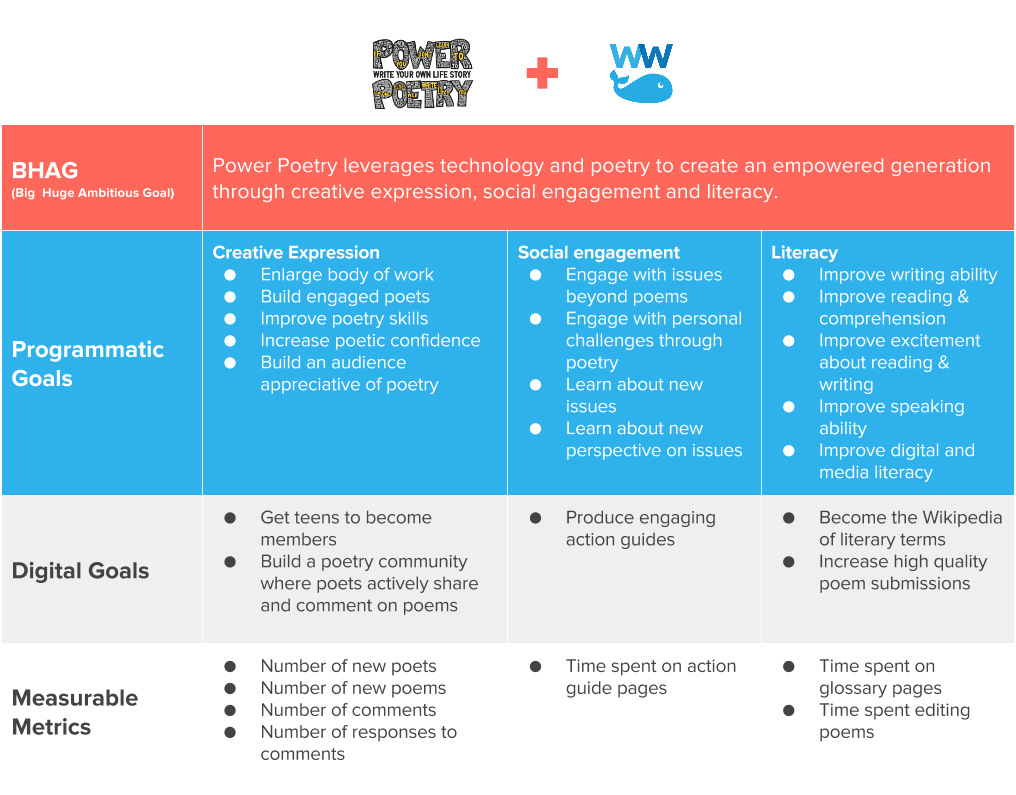
Create some paper. Build this into a logic model and plan for your programs. This can take many forms and can even be pulling out some of the questions in the survey and laying them out in the outline above. A common approach is to create a larger Theory of Change document, but don’t forget the supporting document of how and what you will be measuring. You might want to use Whole Whale’s BHAG Chart to get started.
The Theory of Change
This is a common planning document that foundations and funders may ask for specifically which is why we have included a short guide on it. The goal is to create a document that maps out the causal relationship between your long term outcomes and the daily activities. A good Theory of Change should answer the following questions:
Who is the target population you are trying to reach and help?
What are the short and long-term results?
When will these results be accomplished?
How will these results be accomplished?
Detail on the activities and strategies that will be used.
Note additional resources or teams members that will help.
What is the environment and context of where this work will take place?
Why will this approach work?
Acknowledge the assumptions being made in the model
External research- find related external research that supports your approach.
Sadly these kinds of documents have a way of being created once then retired to the file cabinet. Though the process is important, if it isn’t revisited the usefulness quickly fades.
This is why we like to build a more focused digital impact modeling map from the theory of change. Whole Whale focuses on digital impact and the document below is an example of how impact modeling looks for one of our clients – Power Poetry.
This article is an attempt to help a growing nonprofit critically think about their impact in a measurable way. This is a small primer that will hopefully kick-off deeper thinking, planning and action within your organization. If you are like us and want to geek out to nonprofit impact frameworks and thinking here are a ton of follow up resources.
Internal Resources
Feel free to learn these topics then use our tools like the survey to start the conversation within your organization.
St. Patrick’s Day has certainly earned its reputation as a hard-partying holiday, and the beer will flow even more since it falls on a Friday this year. But if you have kids, partying may not be your top priority these days. Here are a few family-friendly ideas on how to spend the day:
Keep the neighborhood green! In keeping with the holiday’s traditional color, volunteering to help clean your hometown is a great way to spend a fun few hours with your kids and beautify your neighborhood at the same time. And there are plenty of nonprofits that could use your help doing so:
The Rose Kennedy Greenway Conservancy is the designated steward of the Rose Kennedy Greenway, a mile-and-a-half of contemporary parks in the heart of Boston that connect people and the city with beauty and fun.
“This is my third season volunteering alongside the Rose Kennedy Greenway horticultural staff. Just last week, yes in February, we got out there and did some winter pruning. It was great!
This one and half mile stretch of parkland in Boston is an integral part of the city, not only for it’s beautiful gardens and landscape, but for its cultural richness, including art, music, mobile eats, and special events throughout the year. Those of us who live in Boston are fortunate to have this gem and for those visiting from outside the city or outside the state, this is a must stop on your journey.”
Get crafty! Want to perfect that shamrock or leprechaun drawing? Check out the many children’s arts programs nearby. Other than potential battles over green crayons today, your child will have a blast:
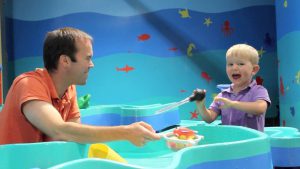
The mission of Habitot Children’s Museum in Berkeley, Calif., is to help the broad community of parents and caregivers raise curious, creative and confident children!
“One of the first places we discovered when we moved to Berkeley. Both of my children, 1 and 3, love it! The staff is extraordinary. The wonderful lady in the art studio helped my 1-year-old son paint for the first time by getting him a highchair and helped me with paint and a clean brush. This place is amazing!”
Explore the arts! Whether it’s theater, music, or dance, there are many nonprofits out there to help you expand your cultural horizons:
The Irish Repertory Theatre brings works by Irish and Irish American masters and contemporary playwrights to a broad American audience, to provide a context for understanding the contemporary Irish American experience, while also encouraging the development of new works focusing on the Irish and Irish American experience.
“I am of Irish ancestry and really appreciate this opportunity to see Irish plays, often with Irish actors, beautifully performed in this small, intimate setting. Last year works of Joyce that are not often performed were read or played. I have been attending performances over the years and always feel energized by the authenticity of the performance and the sense that they are speaking directly to me.”
While holidays are a fun time to build your volunteering and donation efforts around, any time is a good time to give back. Check out GreatNonprofits for the many wonderful local organizations that need your help!
St. Patrick’s Day is once again upon us, which of course means parades, rivers and fountains dyed bright green, and wearing that green clothing from the back of the closet that that you may not have much use for the other 364 days of the year.
It also means alcohol consumption—a lot of it in many instances: St. Patrick’s Day trails only New Year’s Eve, Christmas, and the Fourth of July on the list of the biggest drinking days. And according to WalletHub, 13 million pints of Guinness will be consumed tomorrow. But also consider this:
75 percent of fatal St. Patrick’s Day crashes involve someone driving with a blood alcohol content at twice the legal limit.
From midnight to 6 a.m. the day after St. patrick’s Day, almost half of all driving fatalities will be alcohol related.
Between 2009 and 2013, there were 276 drunk-driving fatalities.
Whether you’ve had too much to drink and need to find a way home safely, or if you have a problem and need much more help than a lift, there are nonprofits out there that can help:
Sober Living America grew out of the need to provide a safe, sober, and structured living environment for men and women who are beginning their recovery from alcoholism and drug abuse, regardless of their financial condition.
“Before coming to Sober Living America, I had giving up on myself. I had isolated myself from family, friends, and even my own children. I hated myself and what I had became. I had given up, but God had not. It hurt to breathe and there was not enough drugs and alcohol to ease the pain. I finally made a decision to go to detox, again. I had been to nine detox centers in the past 10 years. I knew that this was my last chance to get it right. In detox, I was told about Sober Living of America. A few days later, I was on the bus to Charlotte, N.C.
When I arrived I was scared to death. But I soon was welcomed into the community of wonderful people, just like me, sick and wanting and needing help. I have been blessed in so many ways by this experience. I am learning to be a productive citizen in society. I am now in contact with my family, friends, and my three handsome baby boys. I will forever be amazingly grateful for the staff, community, and the new family.”
By giving both people and their cars a ride home, SafeRide eliminates the two main excuses people use to drive impaired: “I don’t want to leave my car behind” and “I don’t have the money to pay to get my car home.”
“If you’re out drunk with a car and want to get home safely in your own car, give SafeRide a call. They will come out and pick you and your car up and take you to your destination. It’s cheaper than ubering home and then another uber back to your car in the morning, plus no more worrying if your car will be booted or towed! Friendly staff and most pickups usually happen within 10–20 minutes.
P.S. If you need community service hours, you can do them here. It doesn’t get much easier than driving around at night time while knowing you’re helping prevent DUIs and possibly worse acts caused by an impaired driver.”
Three Oaks Center provides early intervention services in a weekend format from a faith-based perspective that help individuals examine life and learn how to make healthier choices that can change the direction of life for the better.
“Mr. Hoffman has been my cheerleader, advisor, mentor, and friend all at the same time! He genuinely cares about people and supports them, so they can bring about change. He is confident in his role in life and leads from a positive direction, even in difficult circumstances. I’m privileged to know Mr. Hoffman and believe he has been instrumental in making my world a better place.”
To find out more about the above organizations and others like them doing the important work of helping people overcome their addictions, check out GreatNonprofits.
It’s easy to not think too much about homelessness if you don’t witness it on a daily basis, but the numbers are frightening: According to the National Alliance to End Homelessness, “On a single night in January 2015, 564,708 people were experiencing homelessness—meaning they were sleeping outside or in an emergency shelter or transitional housing program.” Half of all homeless in the U.S. are older than 50, and children represent a quarter of the homeless population. Here are some other stats to consider:
15 percent of the homeless population are chronically homeless
8 percent of the homeless population are veterans (and 1.4 million other vets are at risk of homelessness)
110,000 LGBTQ youth are homeless
There are many great organizations working tirelessly to change those numbers, and to bring comfort to those who most need it. Here are a few of them:
Mission in Citrus seeks to empower homeless veterans of all ages to meet their own needs. Recognizing the uniqueness, dignity, and value of each person, it accepts individuals as they are, in an affirming and compassionate manner.
The organization provides basic and self-care supplies, free health care, housing, and supportive services for the homeless veterans who are the hardest to reach, including those who refuse to go into a shelter and live out in the rural wooded areas of the county. It also provides referrals to other community agencies, such as child care providers and legal aid.
“I am a disabled veteran who was homeless and stayed at the Mission in Citrus. They have done such great work helping me and my family that I still go and volunteer there, and I refer other veterans and homeless people and families in need to them. I also have let the director know that if at any time there is someone who needs to speak with me about a situation close to what mine was I am available and will help. So much help was given to me and I love giving that help in return. The Mission is a blessing to everyone whose lives it touches.”
Solutions for Change mission is to solve family homelessness one family, one community at a time, through its Solutions University program. Solutions University is a 1,000-day partnership that equips families with the skills, knowledge, and resources that create amazing life transformations. More than just a housing solution, it’s a “change your life” solution.
“After getting custody of my 2½-year-old granddaughter, I found myself with no job and no place to live because I had relocated here from out of state. Solutions for Change took us in, provided a roof over our heads, food in our stomachs, enrichment classes, and assistance with child care and job search. We are now secure in one of their apartments and striving for the next step in this journey. The staff has been wonderful to us and I will always be grateful for the hand up!”
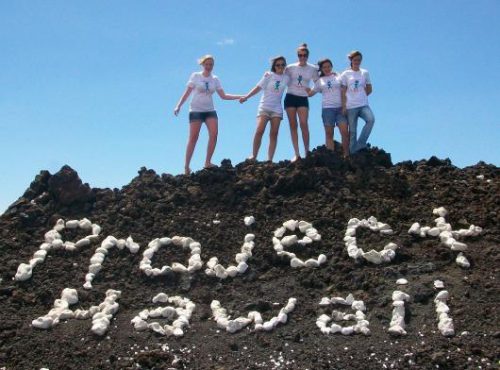
Project Hawai’i enhances the lives of homeless children throughout the year by providing interactive programs. Its goal is to help them escape their cycle of poverty by helping them gain self-esteem, build life and social skills, and stay healthy.
Now in its 15th year on the islands of Hawai’i, the organization typically helps more than 1,500 children between the islands of Hawai’i and O’ahu—providing everything from holiday meals, parties, and gifts, to emergency care, hygiene, and food and clothing.
“Project Hawai’i and its volunteers have been a blessing to us. Our family was living in homeless situations for many years. We could always count on the support of Magin and Cliff to be there for our family. My children call Cliff Uncle . . . not just as respect but as a true family member. They feel he was part of our family and was there to help. I can’t put in words how happy it is for us to have them in our lives. We are not homeless now. I am going to job training and my children are doing well. It isn’t easy being homeless, and isn’t easy struggling to stay here in our apartment, but with Project Hawai’i, we know we will succeed.”
To learn more about these and other organizations doing all they can to help those experiencing homelessness, please check out GreatNonprofits.
Did you know that 4 out of 5 Americans zone out when people talk about Google Analytics?…No they don’t, but that may as well be the statistic. That’s why in this training video we’ve made Google Analytics easy and understandable for you all!
“How Good?” Vs. “How Many?”
So, to gain a basic understanding of GA there are 2 buckets of metrics you want to look at – the “How good?” and the “How many?” In other words, the qualitative and quantitative metrics. (more…)
Watch Full Circle Fund’s Rob Trice discuss Kitchen Table Advisors, a project of the Trust for Conservation Innovation that ensures strong regional food systems by helping to increase the long-term business viability of small-scale farms and ranches.
March 8 is International Women’s Day, a global day celebrating the social, economic, cultural and political achievements of women. The day also marks a call to action for accelerating gender parity. Just how large is the difference between men and women?
Women are two-thirds of the world’s labor force, yet only earn 10 percent of the world’s income
Of the world’s 195 countries, only 10 presidents, eight prime ministers, and roughly 19 percent of parliamentarians are women.
Below are just a few of the organizations dedicated to making those numbers a thing of the past:
Founded in 1969, the Virginia Gildersleeve International Fund provides grants globally to fund locally generated projects that help improve the lives of women and girls by advancing women’s rights and social justice.
“I have interned for this nonprofit for a while and the work they do is absolutely amazing. VGIF seeks to ensure women in all regions of the world have the same opportunities regardless of circumstances. It’s inspiring to see how many were affected by their work and the difference they have made.”
Since its founding in 1881, the American Association of University Women has been empowering women as individuals and as a community by advancing equity for women and girls through advocacy, education, philanthropy, and research.
“As a longtime member of AAUW I am proud of their excellent national advocacy of issues pertaining to women and girls, including support of Title IX, women’s health care, equal pay, sexual harassment on campus, and equal math and science opportunities for all students, all of which is supported by AAUW’s highly respected research.”
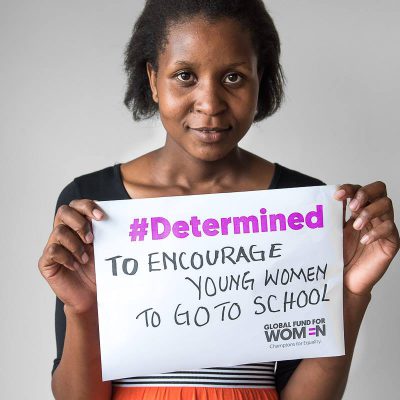
Championing human rights of women and girls worldwide, the Global Fund for Women uses its powerful networks to find, fund, and amplify the courageous work of women who are building social movements and challenging the status quo.
“It is one of the most supportive organizations to the women’s movement I have ever known. GFW has amazing sisterhood approach to the women and women’s organizations around the world and their input to positive changes of women is great. I have known this organization for 10 years and admire their work, energy and enthusiasm. I am very happy and proud to be a member of big GFW family.”
To learn more about these and many other wonderful nonprofits doing the important work of advancing the lives of women, check out GreatNonprofits.
Ovarian cancer is often called the silent killer because its symptoms—swollen or bloated abdomen, chronic pain in the abdomen or pelvis, and feeling full or experiencing difficulty eating, among them—are often misdiagnosed. That misdiagnosis contributes to ovarian cancer being discovered during stage 1 in only 15 percent of cases. According to the American Cancer Society, an estimated 22,440 women will receive a new diagnosis of ovarian cancer, and 14,080 women will die from it. Ovarian cancer is also:
the No. 1 cause of gynecologic cancer deaths;
the fifth leading cause of cancer deaths in women; and
the 11th most common cancer in women.
According to the Ovarian Cancer Research Fund Alliance, a woman in the United States is diagnosed with ovarian cancer every 24 minutes. Below are a few of the top-rated nonprofits dedicated to helping women and their families throughout their ordeal:
Serving northwest Ohio and southeast Michigan, the Ovarian Cancer Connection raises awareness about ovarian cancer, educates the community on the early warning signs of this disease, and supports research vital for early detection and saving lives. The OCC also provides financial assistance to women in the community currently in treatment for ovarian cancer.
“The Ovarian Cancer Connection is one of the most generous non-profits that I know of. During my ovarian Cancer treatments, they gave me a gas card in efforts to offset some of the cost of getting to and from chemo. Then this year for Christmas I received a gift card for Kroger to help with the purchase of groceries during the holidays. Then they turn our town Teal every year in support of ovarian cancer. This is an awesome group of women that are doing awesome things to help people in need!”
Short for Tell Every Amazing Lady About Ovarian Cancer Louisa M. McGregor Ovarian Cancer Foundation, the organization’s name also represents the color that symbolizes ovarian cancer. Founded in 2009, T.E.A.L. promotes public awareness and education of the signs, symptoms, and risk factors of ovarian cancer, while providing support to survivors and raising funds for research in order to find a cure for the disease.
“I became involved in T.E.A.L. as a volunteer through a connection in Scouting with the son of Louisa McGregor, one of the founders of the organization who has since succumbed to ovarian cancer. The Boy Scouts are called to be of service to others as one of our core values. I feel that working with T.E.A.L. is the greatest service project that I now perform on an annual basis because of the impact it has on so many lives.”
By bringing women and their families and friends together with others who have experienced breast or ovarian cancer, SHARE creates and sustains a supportive network and community of women affected by breast and ovarian cancers provides them with the opportunity to receive and exchange information, support, strength, and hope.
“On my first day after getting home from the hospital, a neighbor mentioned that her boss went to a support group called SHARE. I called the SHARE Helpline the same day I learned about it and was told about a support group. I went once and felt so good to be in the company of these SHARE women that I kept going. It turned out that my support group experience was phenomenal.”
To learn more about these organizations helping women and their loved ones in the battle against ovarian cancer, or many others doing similar work, please check out GreatNonprofits.



 The Orange County Rape Crisis Center’s mission is to stop sexual violence and its impact through support, education, and advocacy. It envisions a just and equitable world free of sexual violence and all other forms of oppression.
 The Houston Area Women’s Center helps individuals affected by domestic and sexual violence in their efforts to move their lives forward. It provides shelter, counseling, and advocacy to support them in building lives free from the effects of violence, and seeks social change to end domestic and sexual violence through community awareness and education.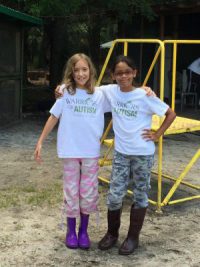
 Created in December 2001, the Organization for Autism Research is the product of the shared vision and unique life experiences of its seven founders. Led by these parents and grandparents of children and adults on the autism spectrum, OAR sets out to use applied science to answer questions that parents, families, individuals with autism, teachers, and caregivers confront daily.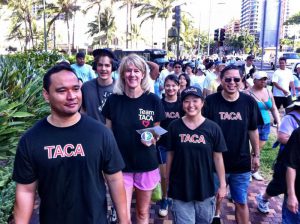
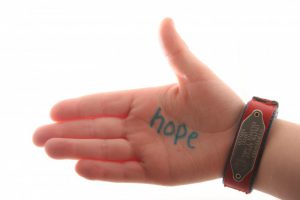
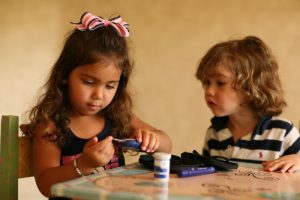
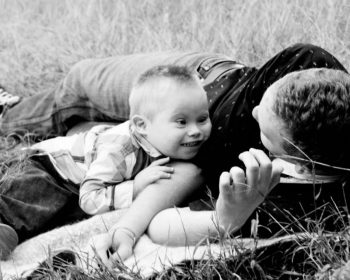 Reece’s Rainbow’s mission is to advocate and find families for orphans with Down syndrome and other special needs by raising funds for adoption grants and promoting awareness through an online community, media communications, and other events.
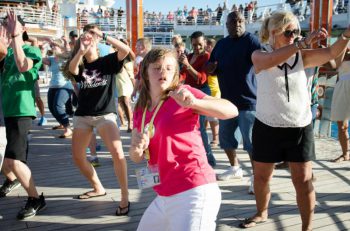 Buddy Cruise provides educational opportunities and resources for families, while promoting awareness, acceptance, inclusion, and advancement for individuals with Down syndrome and developmental delay through unique venues.
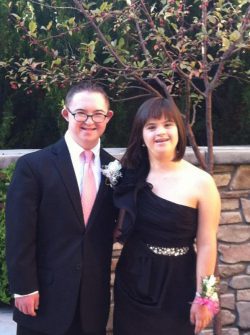 The Down Syndrome Connection of the Bay Area empowers, inspires, and supports people with Down syndrome, their families, and the community that serves them, while fostering awareness and acceptance in all areas of life.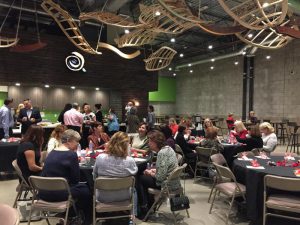
 Pennsylvania Women Work delivers personalized career development programs that result in family-sustaining wages for displaced homemakers and individuals in career transition across the state of Pennsylvania.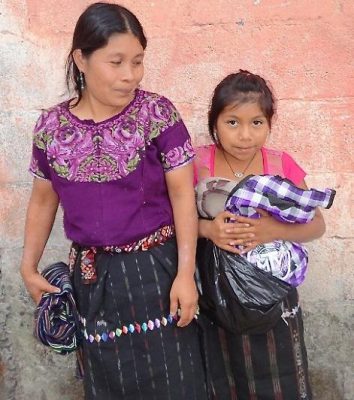

 The mission of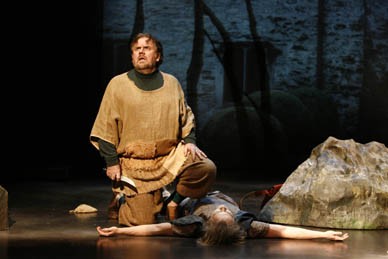
 Centerville, Ohio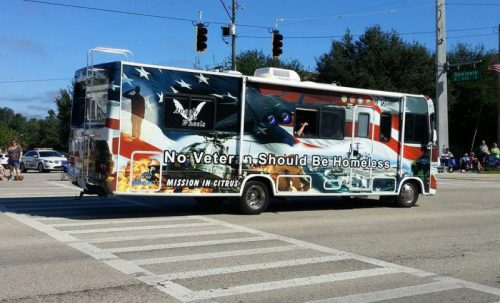







 Loading ...